


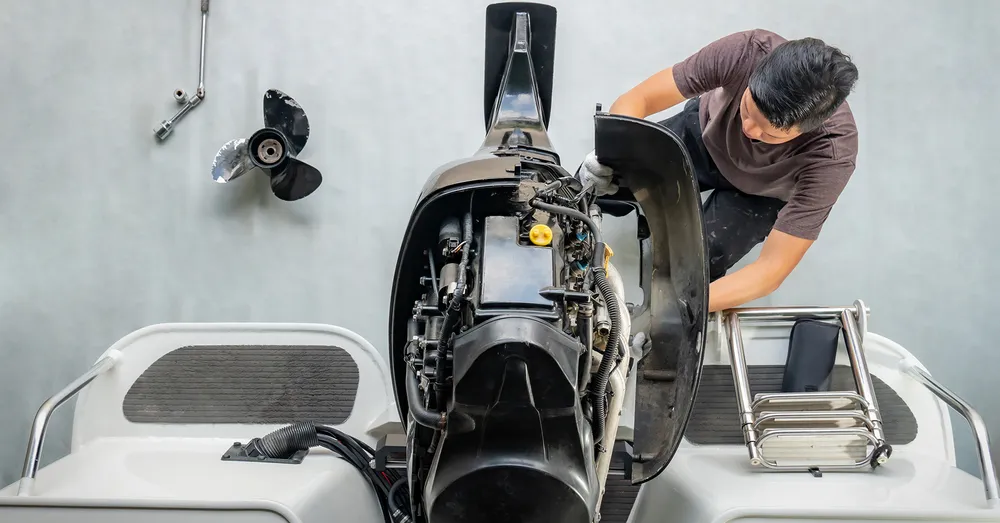
Executing a comprehensive de-winterization protocol before your initial seasonal launch is your primary defense against preventable on-water failures and early-season mechanical liabilities. Across South Texas—whether backing down a concrete ramp into Lake Conroe or setting a navigation matrix for nearshore coastal runs—offseason storage alters structural, electrical, and propulsion continuities. When a vessel remains unexercised through variable winter months, hidden vulnerabilities like micro-corrosion along critical grounds or dried raw-water impellers expand rapidly under full operational loads.
Following a phased, systematic systems audit three to four weeks before your primary itinerary ensures your vessel operates with total predictability.
Phase 1: Electrical Reconstruction and Low-Voltage Staging
Electrical storage degradation represents the most frequent cause of early-season propulsion failures and launch ramp bottlenecks.
- Carbon-Pile Battery Load Testing: A static voltage readout on your helm display can be highly deceptive. Marine battery banks can hold a superficial surface charge that instantly collapses under the high amperage draw of an engine starter. Connect a true carbon-pile load tester to verify cold cranking amps (CCA) across both your starting and house banks.
- Terminal Post Refurbishment: Inspect all primary battery cables for green copper oxidation or high-resistance white powder crusts. Clean the connection fields completely with a stiff wire terminal brush, and torque all terminal locking nuts using standard mechanical tools to eliminate arc faults.
- Accessory Continuity Sweeps: Cycle your battery selector switches and main helm breakers to ensure all digital interfaces boot cleanly. Test your navigation lights, anchor lighting arrays, bilge blowers, and high-capacity multi-zone audio networks to confirm complete circuit continuity before trailing.
Phase 2: Open-Loop Cooling Circuits and Fluid Audits
Marine power plants operate via open-loop cooling systems or raw-water heat exchangers that are highly sensitive to long-term storage blocks and mineral contamination.
- Impeller Lifecycle Assessments: Standard flexible rubber water pump impellers dry out, harden, and take a permanent set over the winter months. A brittle impeller can split its flexible blades upon initial high-RPM acceleration, leading to immediate cooling flow restrictions and rapid engine block warping. Inspect or replace the impeller seasonally to protect your engine block.
- Fluid Contamination Screenings: Pull your engine dipsticks and check your lower unit gear lubricants. Note any milky coloration or fluid stratification, as this reveals silent moisture intrusion through a compromised prop shaft or lower unit seal during storage. Replace old fuels and verify your fuel-water separator filters are clear of phase-separated condensation.
- Ballast Infrastructure Verification: For high-performance tournament platforms like Malibu Wakesetters or Axis wake boats, manually check your internal ballast gate valves, intake manifolds, and automated aerator pumps to ensure no freezing stress cracked the polymer housings.
Phase 3: Mechanical Actuation and Life-Safety Frameworks
Your safety hardware and steering controls must display absolute responsiveness before your hull touches the water column.
- Steering Articulation Sweeps: Rotate the helm wheel fully from lock-to-lock at the dock. Any sticking points, notchiness, or hydraulic fluid weeping along your steering rams indicates a critical seal failure or air pocketing within the closed loop that requires immediate bleeding.
- Binnacle Linkage Calibration: Shift your mechanical or digital throttle controls through the forward, neutral, and reverse detents with the engine deactivated. Linkages must engage cleanly without mechanical play, binding, or physical resistance.
- Dual-Mode Bilge Diagnostics: Flood your bilge sump manually with clean water to verify that your pumps operate across all parameters. The automated float switch must activate the pump instantly, and the manual helm switch must clear the fluid through the thru-hull discharge port without electrical humming.
Phase 4: Structural Trailing Architecture Inspections
A trailing breakdown during transit along Interstate 45 can damage your hull and endanger surrounding motorists. Execute a thorough check before pulling out of your driveway.
- Wheel Bearing Lubrication: High wheel-bearing temperatures are the leading cause of highway trailering failures. Manually check that your bearing protectors are fully packed with fresh marine grease, and verify that your hydraulic surge brakes actuate smoothly.
- Atmospheric and Sidewall Tire Checks: Check your trailer tires to confirm they match their maximum cold PSI rating. Closely inspect the tread grooves and sidewall profiles for flat-spotting or dry-rot checking caused by long-term storage under heavy load.
- Coupler and Chain Geometry: Verify the hitch coupler locks cleanly over the ball and that the safety pin completely engages. Cross your high-tensile safety chains underneath the trailer tongue to create a secure cradle that will catch the tongue if a coupler disconnects.
Phase 5: The Initial "Shake-Down" Voyage Protocol
Treat your first outing of the season as a controlled validation run rather than a full social excursion. Keep your passenger manifest minimal and your route simple.
- Gradual Hole-Shot Acceleration: Once you clear the no-wake zones, apply smooth, linear throttle inputs. Avoid sudden high-RPM runs; cycle through different velocity bands gradually to allow gaskets to expand and normalize under operational heat cycles.
- Thermal and Diagnostic Tracking: Monitor your digital switching arrays and gauge clusters closely. Verify that engine operating temperatures remain stable, alternator charging outputs track normally, and no acoustic warning alarms initialize. Return to the dock or courtesy pier after a short run to open the engine hatch and check all hose clamps and seals for leaks.
Technical Frequently Asked Questions
What specific hazards develop if a watercraft sits completely unexercised for 3 to 4 months?
Extended storage blocks allow condensation to build up inside fuel cells, causing modern ethanol-blended fuels to undergo phase separation where water falls to the bottom of the tank. Furthermore, exposed grounding connections oxidize, low-voltage battery cells discharge, and internal lubrication films drain away from cylinder walls, increasing the risk of scoring upon initial ignition.
Why is it vital to replace your raw-water pump impeller on a seasonal basis?
A marine rubber impeller operates under constant friction and tight tolerances. Over the winter, the rubber blades lose their elasticity and become brittle. If an aging impeller disintegrates under load, the shredded rubber debris will migrate deep into your engine’s internal cooling galleries, clogging heat exchangers and causing catastrophic thermal failure.
Sourcing Authorized Marine Components & Systems Support
Correcting de-winterization anomalies requires utilizing diagnostic equipment and replacement components calibrated to exact manufacturer tolerances.
- Certified Mechanical Diagnostics: Whether you need to execute a seasonal water pump replacement, flush phase-separated fuel, or troubleshoot complex digital switching helms, rely on our factory-certified technicians at the SMG Boats Service Center department to protect your investment. To submit a specialized maintenance request directly, access our online Service Form.
- Genuine OEM Component Sourcing: For do-it-yourself mariners performing independent field preservation work, our dedicated Parts Center marketplace stocks heavy-duty cold-cranking batteries, genuine factory filters, raw-water impeller kits, specialized vinyl conditioners, and high-tensile dock rigging.
- Propulsion System Modernization: For owners looking to update an older platform with responsive low-end torque or advanced digital control networks for absolute precision near the trailer bunks, check our specialized Yamaha Outboards line.
Fleet Allocation and Financial Coordination
What structural credit frameworks exist for financing major boat overhauls and repower projects?
Our specialized Financing office provides custom loan frameworks, allowing you to seamlessly bundle major mechanical overhauls, high-performance outboards, digital telemetry packages, and comprehensive Marine Insurance into a single structured framework. You can calculate precise capital trajectories using our digital Payment Calculator.
Can I leverage my current boat's equity to fund an upgrade before next season?
Yes. We coordinate transparent, market-accurate asset evaluations through our internal Sell Your Boat division, making it highly efficient to liquidate your old hull and apply that value directly toward our premium inventory of Malibu Wakesetters, Axis tournament boats, and Regal luxury bowriders. Explore our current selection of New Boats or thoroughly inspected Used Boats.
How do I track upcoming dealer events or connect with SMG Boats?
To monitor safe-boating seminars, captain safety workshops, and regional consumer rendezvous across our South Texas hubs, check our active Events calendar. To review long-term mechanical protection parameters, consult our Extended Service Contracts checklist. For maps and showroom hours across all our regional dealer hubs, visit our primary Contact Us portal or locate our facilities directly via our Locations directory.