


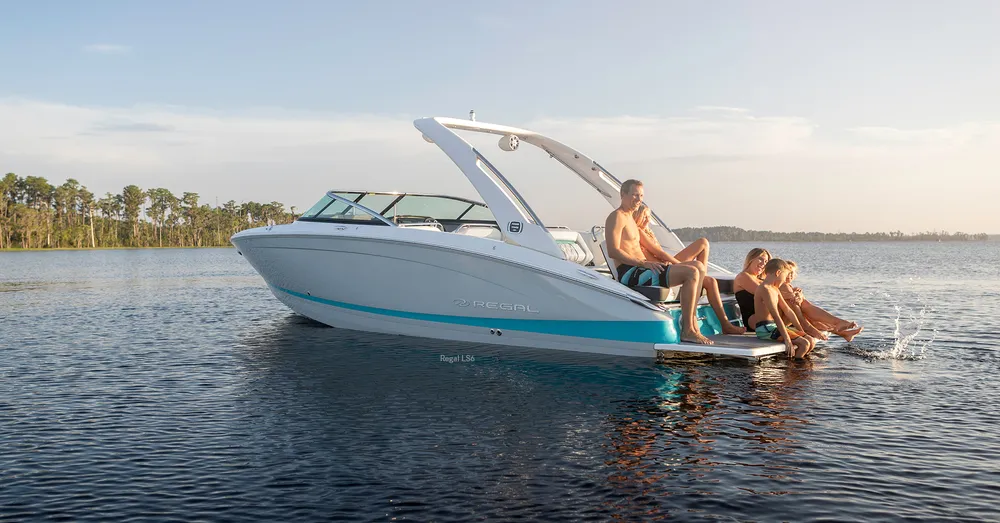
Transitioning into premium watercraft ownership introduces a technical learning curve that extends far beyond mastering standard deep-water hole shots or lines of sight from the helm. Across South Texas—whether navigating the high-density holiday chop of Lake Conroe or plotting coastal runs along the Gulf—novice operators frequently evaluate their readiness based solely on purchase pricing and cushion layouts. This narrow focus overlooks the physical realities of environmental exposure, fluid dynamics, and low-voltage electrical management.
Understanding the structural obligations of vessel preservation upfront prevents premature component degradation, eliminates launch ramp anxiety, and protects your capital investment.
1. Environmental Preservation and Non-Use Degradation
The single most prevalent misconception among first-time owners is that a vessel remaining stationary or stored in a dry bay requires minimal mechanical oversight. Marine environments accelerate material oxidation regardless of engine run time.
- Atmospheric Moisture Stagnation: Never trap high-humidity ambient air inside the cockpit by securing a mooring cover over saturated upholstery, wet personal flotation devices (PFDs), or damp tow lines. Storing a wet boat in pitch-black conditions under Texas summer heat creates an artificial sauna environment that fosters rapid mold growth and degrades internal low-voltage marine wiring.
- The Necessity of Constant Fluid Audits: Marine power plants operate via open-loop or raw-water heat exchangers that pull directly from local waterways. Failing to verify fluid levels or omitting routine raw-water pump impeller replacements allows internal rubber seals to dry out, harden, and crack over short blocks of inactivity, leading to immediate cooling flow restrictions and engine block warping upon initial spring acceleration.
2. High-Stress Close-Quarters Docking Geometries
Maneuvering an elite, high-displacement platform—such as a specialized Malibu Wakesetter or Axis wake boat—near a concrete bulkhead or timber piling requires trading panic for strict mechanical discipline. New owners consistently miscalculate wind drift and carry excessive momentum into the slips.
- Recalibrate Steering to Thrust Delivery: Unlike a terrestrial motor vehicle, a boat possesses no fixed brakes and steers by vectoring the actual directional thrust of the propeller or lower unit rather than turning tires against pavement. High-sided hulls act as aerodynamic sails, meaning strong afternoon crosswinds will sweep the bow off its targeted axis the moment the helm drops below steerage speed.
- Master the Idle-and-Neutral Pulse Technique: Approach the terminal pier utilizing short, brief clicks of power—shifting the gear binnacle into forward idle for one continuous second, then immediately dropping back into neutral to glide. Letting the hull's natural hydrodynamic drag execute the de-acceleration allows for minute tracking corrections, completely eliminating the need for high-RPM throttle plays near expensive fiberglass.
3. Logistical Asset Allocation and Storage Frameworks
Determining the exact physical parameters of where your watercraft will rest when unexercised dictates your long-term mechanical uptime and trailering stress.
- Trailing Infrastructure Oversight: Trailering a multi-ton tournament hull or a luxury Regal runabout across the high-velocity lanes of Interstate 45 requires rigid structural checking. Owners routinely underestimate the preventative maintenance demanded by trailer architectures, failing to pack wheel bearings with fresh marine grease or neglecting to verify cold tire pressures, which leads to high-temperature blowout failures mid-transit.
- The Dry-Stack and Slip Equation: Utilizing a dedicated marina dry-stack facility or a wet shore berth eliminates launch ramp bottlenecks entirely but demands specialized anti-corrosive prep. Constant exposure to regional mineral scaling requires installing sacrificial zinc or aluminum anodes to absorb stray electrical currents and prevent galvanic pitting across your underwater running gear.
4. Component Sourcing Discipline vs. Inventory Bloat
The marine accessory market is saturated with high-margin hardware, tempting new mariners to over-outfit their platforms with unnecessary add-ons before documenting their actual usage profiles.
- Establish a Non-Negotiable Core Inventory: Prioritize foundational safety and rigging components over visual upgrades. A premium support inventory requires four heavy-walled cylindrical fenders to absorb rolling wake impacts at transient fuel docks, high-tensile double-braided nylon mooring lines tailored to your vessel’s displacement, a specialized marine tool kit, and multiple spare garboard drain plugs.
- Calibrate Hardware to the Sport: For active families diving into watersports, avoid buying boards that are mismatched to your riders' weight profiles. Sourcing boards with insufficient volume or surface area stalls a beginner during deep-water starts, forcing the engine into excessive cavitation loops and straining the athlete.
Technical Frequently Asked Questions
What represents the highest-yield preventative habit a new owner can adopt?
The most effective routine is a strict post-excursion washdown and mechanical scan. Stripping hard-water scaling and suspended clay from the fiberglass gelcoat immediately after trailing prevents mineral etching, while checking engine oil levels and checking the bilge for unexpected fluid accumulation allows you to isolate a weeping seal before it triggers an on-water casualty.
Why is it mandatory to follow a structured engine hour log?
Modern high-performance marine drivetrains utilize precise manufacturing clearances that demand tight adherence to hour-based service intervals. Skipping the mandatory 20-hour engine break-in fluid flush or missing annual 100-hour and 200-hour comprehensive service baselines degrades synthetic gear lubricants, glazes cylinder walls, and voids critical manufacturer warranty protections.
Sourcing Factory-Authorized Assets & Technical Care
Establishing an accurate operational baseline requires aligning your preventative upkeep with technicians and components calibrated to exact factory tolerances.
- Certified Mechanical and Systems Support: From executing precision break-in oil flushes to diagnosing complex digital switching networks or tracking charging system anomalies, trust our factory-certified technicians at the SMG Boats Service Department to protect your investment. To submit a specialized maintenance request directly, access our online Service Form.
- Genuine OEM Component Sourcing: For do-it-yourself mariners outfitting their safety gear or executing field preservation work, our dedicated Parts Center stocks genuine factory filters, premium anti-corrosive lubricants, custom-molded replacement fenders, and high-tensile dock rigging.
- Propulsion System Modernization: For owners looking to update an older platform with responsive low-end torque or advanced digital control networks for absolute precision near the trailer bunks, check our specialized Yamaha Outboards line.
Fleet Allocation and Financial Coordination
What structural credit frameworks exist for financing a premium boat purchase?
Our internal Financing office structures customized credit portfolios, allowing buyers to seamlessly bundle their hull choice, reliable outboards, technical electronics, and comprehensive Marine Insurance packages into a single structured loan. You can calculate precise capital trajectories using our digital Payment Calculator.
Can I leverage my current watercraft's equity to fund a platform transition?
Yes. We coordinate transparent, market-accurate asset evaluations to eliminate personal listing delays. To liquidate your old hull and apply its equity directly toward a premium upgrade, submit your vessel's technical specifications to our Sell Us Your Boat department. Explore our extensive showrooms of premium New Boats and thoroughly inspected Used Boats.
How do I track upcoming dealer events or connect with SMG Boats?
To monitor safe-boating seminars, captain safety workshops, and regional consumer rendezvous across our South Texas hubs, check our active Events calendar. To review long-term structural or mechanical asset protections, consult our Extended Service Contracts directory. For showroom maps, direct lines, and operational hours, visit our primary Contact Us portal or locate our regional facilities directly via our Locations directory.