


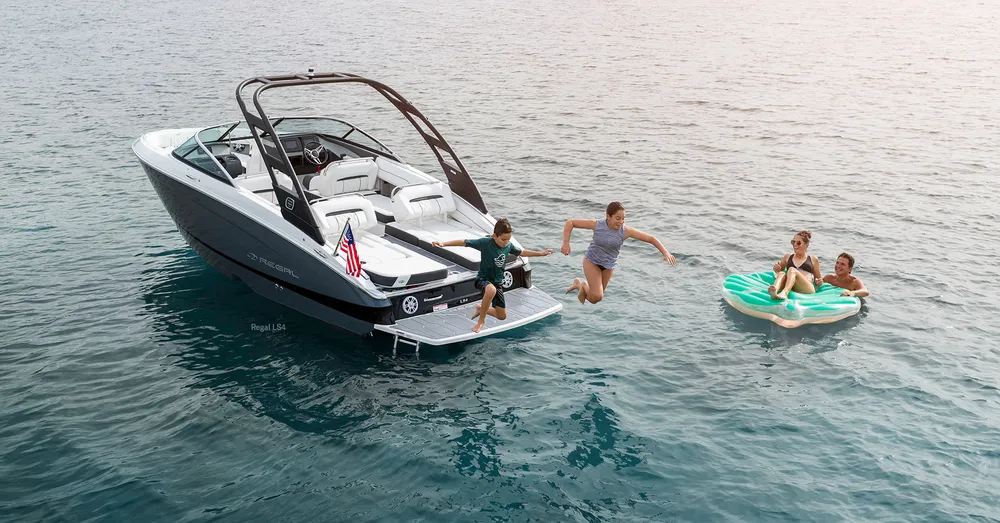
Executing a stable, precise anchorage inside a high-density regional cove demands close attention to mud-line mechanics, deck safety boundaries, and clear navigational awareness. Across Southeast Texas waterways—whether positioning your watercraft inside crowded weekend drop-offs on Lake Conroe or maneuvering near the timber-strewn corridors of the upper reservoir—a dragging or poorly calculated anchor line poses an immediate threat to your fiberglass gelcoat and to surrounding vessels. When a sudden afternoon wind gradient develops or multi-ton displacement wakes sweep through the area, relying on improper ground tackle configurations or minimal rope lines creates immediate liability.
By treating the anchoring sequence as a deliberate, phased pilotage drill, captains can maintain absolute holding power and establish a predictable perimeter for their passengers.
Step 1: Hydrodynamic Site Assessment and Drift Calculations
Positioning an elite Malibu Wakesetter, Axis tournament platform, or luxury Regal fiberglass runabout inside a crowded destination requires projecting your location across a full 180 tracking matrix before shutting down your engines.
- Analyze Dynamic Swing Perimeters: Assess the structural draft of your specific hull against the local bottom topography, ensuring ample clearance during low-water cycles. Note the existing alignment of moored vessels; boats will naturally swing along the axis of the dominant wind vector or subsurface current.
- Preserve Navigational Clearances: Texas maritime regulations strictly prohibit anchoring in the traveled portion of a river or narrow channel sectors where your hull prevents, impedes, or interferes with the safe passage of other watercraft. Never drop your ground tackle directly within active marina entrance zones or high-traffic corridors. Position your bow with enough clearance from neighboring craft so that if the atmospheric heading shifts completely, your beam will clear their swing circles.
Step 2: Rigorous Scope and Tension Calibration
The single most prevalent cause of ongoing anchor slippage and hull drifting is the failure to deploy adequate line length. A steep, vertical pull lifts the anchor shank, popping the flukes out of the substrate.
- The 5:1 Minimum Standard: For calm, daytime inland conditions, captains must maintain a minimum scope ratio of 5:1 (five feet of anchor rode for every one foot of total vertical distance measured from the bow roller down to the lake bottom). If wind velocity spikes or heavy wake activity from passing tournament boats increases, expanding this ratio to 7:1 is mandatory to keep the pulling forces purely horizontal against the flukes.
- Lead Chain Dynamics: Ensure your mooring configuration utilizes a heavy, galvanized lead chain preceding the braided nylon line. The deadweight of the chain keeps the anchor shank resting parallel against the substrate, forcing the flukes to dig deeper into the bed as tension increases.
Step 3: Deliberate Setting and Verification Protocols
Dropping your ground tackle in an unmanaged, tangled pile directly ruins its structural biting capacity. Execute a steady, low-RPM approach vector to lock the flukes into place.
- Controlled Lowering Sequences: Bring the vessel to a complete stop heading directly into the prevailing wind vector. Lower the anchor assembly cleanly over the bow roller until it registers contact with the substrate—never hurl or toss the hardware raw over the gunwale.
- Reverse Tensioning Mechanics: As the hull begins to drift naturally downwind, pay out your nylon line steadily to prevent fouling. Once the target scope ratio is achieved, cleat the line securely and engage your engine binnacle into reverse idle for several continuous seconds. This metered mechanical pull forces the flukes deep into the substrate.
- Fix Your Visual Landmarks: Establish an immediate baseline by tracking fixed, unmoving shoreline elements or digital GPS chartplotter coordinates. Monitor these data points for ten continuous minutes to confirm your ground tackle has achieved total holding power before clearing your passengers for swimming.
Step 4: Manage the Spatial Layout of the Cove
Maintaining an organized, orderly deck space keeps lines clear and prevents high-risk injuries near the swim platforms.
- Rigging and Line Safety: Keep your working lines cinched tightly to active cleats and free of unnecessary slack that can float near your stern running gear. Instruct all swimmers to maintain a safe perimeter away from taut anchor lines to prevent limb entanglement or high-pressure pinch injuries.
- The Multi-Anchor Configuration: When anchoring inside narrow coves or tight configurations where high winds threaten to swing your stern into a neighboring hull, deploying a secondary stern anchor stabilizes your orientation. Ensure local space availability supports a dual-anchor layout before deploying a second line, and remember that state law requires you to stay completely clear of designated swimming areas and public beach boundaries.
Technical Frequently Asked Questions
What are the primary factors that cause a marine anchor to continuously drag?
Continuous anchor slippage is driven by utilizing inadequate scope, deploying the incorrect anchor style for the specific lake bed substrate, or failing to execute a reverse throttle pull to set the flukes. If your lead chain is too light or your line is too short, the vertical lift will repeatedly pop the assembly loose.
What bottom substrates define the regional Southeast Texas waterways?
The Lake Conroe reservoir bed is predominantly comprised of a dense matrix of soft silt, shifting sand, loam, and highly packed river clay. A traditional Danforth-style fluke anchor or a heavy premium plow anchor equipped with a substantial lead chain provides the best mechanical bite across these specific bottom profiles.
Sourcing Authorized Ground Tackle & Systems Support
Upgrading your vessel's support inventory requires utilizing components and diagnostic hardware calibrated to exact factory tolerances.
- Premium Pro Shop Equipment Sourcing: Access our comprehensive Parts Center marketplace to secure high-tensile fluke or plow anchors, galvanized lead chains, double-braided nylon line, and Coast Guard-approved safety hardware.
- Certified Systems and Calibration: If your windlass assembly jams under load, your digital depth sounder displays erratic readings, or your throttle controls experience shift lag, schedule a comprehensive multi-point diagnostic checkup with our factory-trained technicians at the SMG Boats Service Center department. To submit a maintenance request directly, utilize our online Service Form.
- Propulsion System Modernization: For captains operating older engines that lack modern digital networks or responsive low-end torque, check our specialized Yamaha Outboards center to install total handling control and peace of mind near the docks.
Fleet Allocation and Financial Coordination
What structural credit frameworks exist for purchasing a premium watercraft or overhaul?
Our internal Financing office structures customized credit portfolios, allowing buyers to seamlessly bundle their hull choice, high-performance outboards, technical electronics, and comprehensive Marine Insurance packages into a single structured loan. You can calculate precise capital trajectories using our digital Payment Calculator.
Can I leverage my current boat's equity to fund a platform transition?
Yes. We coordinate transparent, market-accurate asset evaluations through our internal Sell Your Boat division, making it highly efficient to liquidate your old hull and apply that value directly toward our premium inventory of Malibu Wakesetters, Axis tournament boats, and Regal luxury bowriders. Explore our complete selection of New Boats or thoroughly inspected Used Boats.
How do I track upcoming events or get in direct contact with SMG Boats?
To monitor safe-boating seminars, captain safety workshops, and regional consumer rendezvous across our South Texas hubs, check our active Events calendar. To review long-term structural or mechanical asset protections, consult our Extended Service Contracts directory. For maps, showroom directions, and operational hours across all our regional dealer hubs, visit our primary Contact Us portal or locate our facilities directly via our Locations directory.