


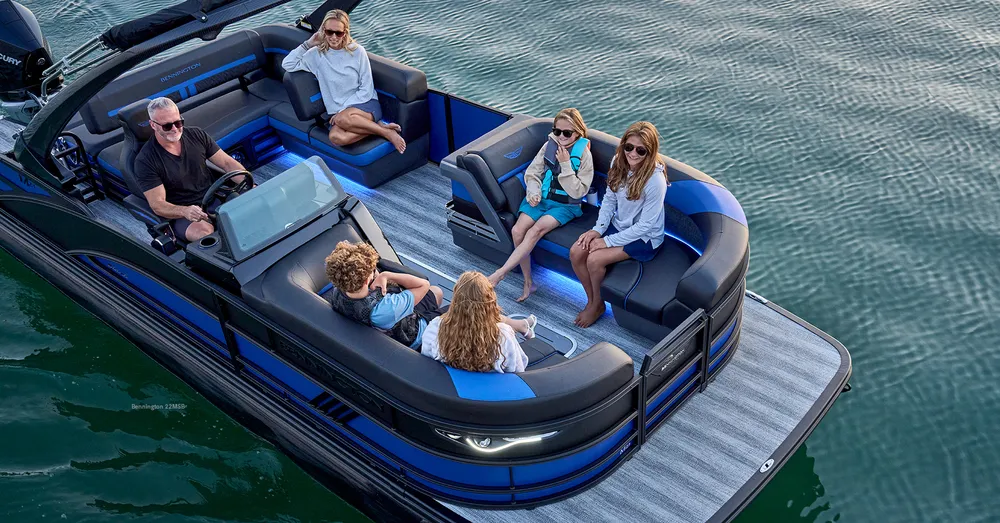
Translating the desire for boat ownership into a precise, successful transaction requires shifting from passive browsing to strict operational planning. Across South Texas—whether plotting trajectories through the high-density recreational zones of Lake Conroe or navigating the coastal bays off the Gulf—buying a watercraft is an exercise in asset alignment. Selecting a platform based on surface-level aesthetic appeal or pricing sheets alone introduces immediate operational liabilities if the vessel’s hull geometry, weight capacities, and propulsion baselines do not match your primary environment.
By answering five objective, lifestyle-driven questions before signing a purchase agreement, buyers can protect their capital and ensure absolute utility on the water.
1. What Is the Primary Navigational Mission of the Vessel?
Attempting to force a highly specialized hull configuration to perform mismatched tasks compromises safety, fuel efficiency, and structural integrity. Define your definitive operational profile first.
- The High-Torque Watersports Profile: If your core objective is launching progressive wakesurfers or wakeboarders, you require a platform engineered for major displacement. High-end tournament lines like a Malibu Wakesetter or Axis Wake Research utilize internal ballast manifolds and digital wake-shaping plates to shape aggressive wave profiles, requiring specialized V-drive inboard propulsion systems.
- The Premium Day Cruising Profile: If your target layout is entertaining large social groups, swimming in protected coves, or traveling between waterfront dining hubs, prioritize structural luxury, deep cockpits, and smooth rough-water tracking. A stepped-hull fiberglass runabout, such as a Regal bowrider, balances high-velocity efficiency with passenger ergonomics.
2. What Are the Maximum Passenger and Payload Thresholds?
Exceeding the physical capacity rating of a hull severely alters its center of gravity, degrades tracking responsiveness, and creates critical safety hazards.
- Calculate True Manifest Demands: Do not estimate your passenger capacity based solely on available cushion space. Factor in the combined weight of your typical crew, fully fueled fluid tanks, packed gear totes, and high-capacity rotomolded coolers.
- Preserve Freeboard Boundaries: High payload densities reduce your hull's freeboard (the distance from the waterline to the top of the gunwale). In heavily trafficked, choppy waters like Lake Conroe during a peak summer weekend, a low-freeboard vessel is highly vulnerable to taking water over the bow from cross-cutting displacement wakes.
3. Which Specific Marine Environment Will the Hull Navigate?
A hull geometry engineered for inland flat water will experience severe structural stress and deliver a harsh, unpredictable ride if forced into open coastal waters.
- Inland Reservoir Dynamics: Inland lakes feature high-density boat traffic that creates sharp, multidirectional chop. Deep-Vee fiberglass hulls slice cleanly through these vertical forces, stabilizing the running attitude and protecting passengers from heavy hull slamming.
- Coastal and Shallows Adaptations: If your navigation paths expand into shallow bays, tidal flats, or nearshore coastal zones, your configuration requires a shallower draft and specialized anti-corrosive hardware. Marine propulsion setups must be matched to local depths—utilizing adjustable, trim-capable outboards for shifting shallows, or fixed, deep-set inboard running gear strictly reserved for deep-water sport disciplines.
4. What Is the Comprehensive, Full-Lifecycle Cost of Ownership?
The capital required to secure a clear title represents only the initial baseline of your ongoing financial commitment. Accurate budgeting must calculate maintenance and asset protection parameters from day one.
- Mechanical Lifecycle Support: Marine propulsion networks require strict preventative maintenance intervals to protect factory warranties. Factor in the costs of annual 100-hour or 200-hour service sweeps, fuel-water separator filter replacements, zinc sacrificial anode swaps, and professional seasonal storage preparations.
- Asset Location and Storage Logistics: Determine exactly where the vessel will rest when unexercised. Monthly financial allocations must account for dry-stack marina slips, private shore berths, or heavy-duty trailing infrastructure, alongside localized premium Marine Insurance asset protections.
5. New vs. Used: Which Procurement Framework Fits Best?
Both procurement strategies present distinct advantages depending entirely on your mechanical competence, budget flexibilities, and tolerance for technical upkeep.
- The New Inventory Advantage: Purchasing a current-model-year platform grants the owner access to pristine gelcoat finishes, zero historical mechanical wear, and comprehensive manufacturer warranty protections. This strategy integrates advanced technical features—such as automated digital ballast systems and electronic touchscreen helms—with absolute operational predictability.
- The Pre-Owned Value Equation: Acquiring a thoroughly inspected pre-owned boat provides a significantly lower initial entry price, bypassing the steepest phase of asset depreciation. However, pre-owned buyers must carefully audit the vessel's historical preservation logs, verify exact engine hours, and confirm the structural continuity of the hull before closing the transaction.
Technical Frequently Asked Questions
Why is utilizing a traditional sterndrive or outboard configuration prohibited for wakesurfing?
Wakesurfing requires the athlete to ride close behind the transom. Attempting to surf behind an outboard or standard sterndrive watercraft exposes the rider directly to a spinning, unshielded propeller, presenting a severe, immediate safety hazard. True surf platforms must utilize specialized inboard configurations where the running gear is positioned safely underneath the hull.
What represents the single fastest method to narrow down contrasting boat segments?
The most efficient diagnostic strategy is conducting live on-water trials and technical walk-throughs. Testing diverse hull profiles, helm electronics, and propulsion setups under real-world loads reveals exactly how a specific platform tracks through rough chop and manages close-quarters docking before you commit your capital.
Sourcing Factory-Authorized Assets & Technical Care
Aligning your lifestyle with the correct watercraft requires leveraging professional resources and factory-trained specialists.
- Comprehensive New and Pre-Owned Inventories: To explore cutting-edge tournament innovations or cross-reference strictly certified pre-owned options, browse our complete showrooms of New Boats and thoroughly inspected Used Boats.
- Certified Mechanical Systems Care: If your existing platform requires an extensive multi-point pre-sale safety inspection, a certified warranty oil flush, or an emergency electrical diagnostic sweep, coordinate directly with our factory-trained technicians via the SMG Boats Service division.
- Authorized OEM Parts Sourcing: For mariners performing independent field maintenance or outfitting their safety gear, our dedicated Parts Center supplies factory-direct filters, synthetic fluids, sacrificial zinc anodes, and high-tensile mooring lines built to precise factory specs.
Fleet Allocation and Financial Coordination
What structural financing frameworks exist for funding a premium boat purchase?
Our internal Financing office develops customized credit portfolios, allowing buyers to seamlessly bundle their hull selection, high-performance outboards, and comprehensive mechanical warranties into a single structured plan. You can calculate precise capital trajectories using our digital Payment Calculator.
Can I leverage my current watercraft's equity to fund a platform transition?
Yes. We facilitate transparent, market-accurate asset evaluations to eliminate personal listing delays. To liquidate your current hull and apply its equity directly toward an upgrade, submit your vessel's technical specifications to our Sell Your Boat department.
How do I track upcoming dealer events or connect with SMG Boats?
To monitor safe-boating seminars, regional consumer rendezvous, and seasonal promotional showcases across our South Texas hubs, check our active Events index. To review extended structural protections, consult our Extended Service Contracts directory. For direct lines, showroom maps, and operational hours, visit our primary Contact Us portal or locate our regional facilities directly via our Locations directory.