


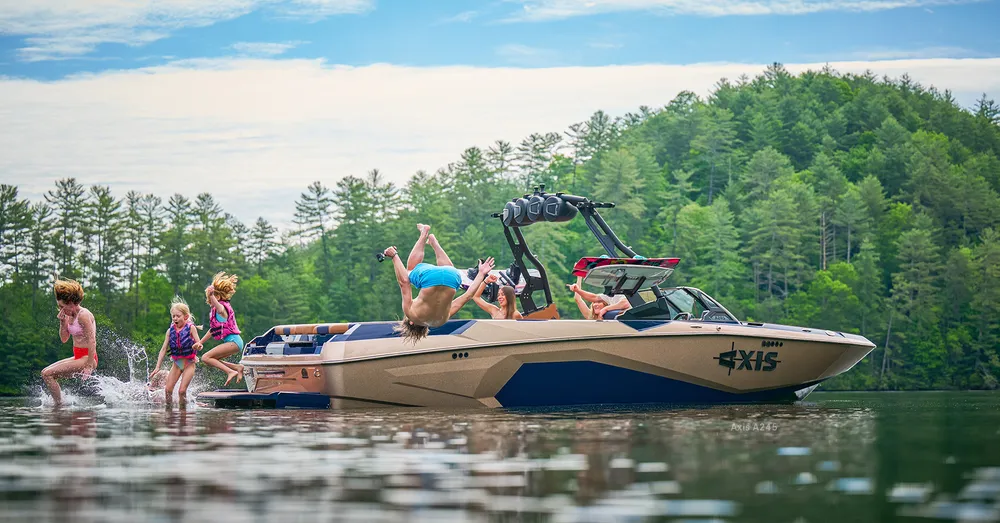
Executing a premium run across Southeast Texas reservoirs requires shifting focus from basic lake preparation to strict timeline management. On a high-density water network like Lake Conroe—where intense weekend traffic regularly gridlocks municipal launch lanes and creates complex, cross-cutting displacement wakes—a flawless itinerary cannot be improvised. For a captain, managing a tournament platform like a Malibu Wakesetter or a luxury Regal fiberglass bowrider demands an accurate understanding of close-quarters logistics.
By breaking down your cruise into systematic, time-phased operational blocks, you can safeguard your hull from terminal dock damage, protect your electrical systems, and maintain absolute crew efficiency.
The Strategic 24-Hour Timeline Matrix
The success of your outing is determined entirely by the structural and diagnostic steps you execute well before your trailer hitch ball locks into place.
- T–24 Hours: Electrical and Logistics Staging: Connect a carbon-pile load tester to your marine battery banks to verify cold cranking amps under load, ensuring your house systems won't drain your starting power. Top off your internal fuel cells completely at a landside station; end-of-day fueling at crowded marina slips increases operator fatigue and fueling errors.
- T–2 Hours: Hull and Safety Audits: Thread your garboard drain plug tight using manual tooling, and confirm your ignition safety lanyard is present at the helm. Pack all provisions into rigid dry bins, and pre-stage your double-braided nylon dock lines and heavy-walled fenders where they can be deployed instantly.
- The Launch Window Margin: Commit to backing down the concrete ramps during early morning windows. Bypassing peak mid-day traffic bottlenecks guarantees secure vehicle parking, limits lane gridlock, and allows you to capitalize on calm, glass water conditions before wind gradients and displacement wakes expand.
- The On-Water Progression: Structure your day linearly. Execute high-velocity tow sets or performance runs first while the water column remains smooth. Transition to Day Cruising or sheltered cove anchorage mid-day to deploy your bimini canopy and establish a continuous cooling footprint, then conclude with a low-RPM return cruise.
- The Load-Out Drill: Treat the recovery phase as a controlled mechanical sequence. Once hauled out, pull immediately clear of the active concrete ramp lane into the landside staging area to complete your post-trip structural reset and hull evaluations.
The 10-Item Non-Negotiable Core Inventory
Never leave the driveway without verifying the presence and integrity of these ten operational assets:
- Garboard Drain Plug: Maintain the primary brass or nylon plug in the transom, with multiple factory-spec redundancies stored in the helm glove box.
- Regulatory Credentials: Secure current state registration decals to your forward hull quadrants and keep physical documentation accessible at the helm.
- USCG-Approved Personal Flotation Devices: Confirm your manifest carries matching sizes of Type III sports vests for all passengers, plus a mandatory Type IV throwable device instantly accessible to the captain.
- Double-Braided Nylon Dock Lines: Carry high-tensile mooring lines calculated specifically to absorb dynamic wake surges alongside concrete bulkheads.
- Heavy-Walled Cylindrical Fenders: Maintain a minimum layout of four bumpers to absorb rolling wake impacts during transient tie-ups.
- Ground Tackle Assembly: Keep a specialized fluke or plow anchor rigged with a heavy galvanized lead chain and braided nylon rode ready for immediate bow deployment.
- Thermal Mitigation Protection: Store sweat-resistant sunscreens and wide-brimmed hats to counter intense solar radiation loops.
- Airtight Cold Chain Hydration: Pack high-volume pure drinking water inside rotomolded coolers equipped with heavy-duty commercial gaskets.
- Refuse Containment: Secure heavy trash bags inside a latched under-seat locker so loose plastics cannot blow out into the regional water column.
- High-Purity Microfiber Towels: Maintain clean, lint-free towels at the stern walk-through to strip chemical sunscreen residues before they damage your vinyl seams.
Post-Trip Preservation and Next-Weekend Defense
The actions you execute immediately after pulling your hull down the trailer bunks directly dictate your long-term mechanical uptime and aesthetic preservation.
- Mineral Contamination Neutralization: Lake Conroe water contains suspended clay, silt, and harsh minerals that can bake onto your gelcoat within hours under direct UV exposure. Spray down the entire hull sides, lower unit, and internal swim platforms immediately with high-gloss detailers to remove mineral deposits before they pit the clearcoat.
- Upholstery Chemical Stripping: Thoroughly wipe down all high-traffic vinyl seating surfaces to remove human oils and chemical sunscreen residues, which extract vital plasticizers from marine fabrics and cause seams to yellow, harden, and crack.
- Atmospheric Moisture Mitigation: Completely empty all rotomolded coolers and prop open your sub-floor storage lockers, ski lockers, and ballast compartments. Allowing damp spaces to dry in a well-ventilated staging environment eliminates the high-humidity microclimates that foster rapid mold growth.
- Log Mechanical Anomalies Early: Document any erratic binnacle responses, notched steering resistance, or unusual acoustic frequencies while the operational data is fresh in your mind. Resolving a minor fluid weep or low-voltage electrical short immediately prevents a full diagnostic failure on a subsequent holiday weekend.
Technical Frequently Asked Questions
What is the correct protocol to follow if we arrive late and find the launch ramp bottlenecked?
If you enter a congested facility during peak traffic hours, pull your vehicle immediately into the back of the landside staging parking lot. Complete 100% of your gear loading, unstrap your transom tie-downs, insert your drain plug, and pre-stage your rigging hardware while stationary in the parking perimeter. Never back down onto the concrete ramp lanes until your vessel is entirely prepared for immediate release.
Why should a captain prioritize fueling the watercraft before arriving at the waterfront?
Attempting to maneuver a high-displacement hull into a packed transient fuel dock at the end of a long afternoon introduces unnecessary close-quarters risk. Passengers are often fatigued, wind gradients can shift unpredictably near tight marina slips, and operators are prone to rushing, which leads to structural gelcoat fractures, fuel spills, and missed docking angles.
Sourcing Authorized Component and Platform Support
Maintaining an elite, highly reliable watercraft requires matching your preventative upkeep with technical specialists and hardware calibrated to exact factory tolerances.
- Genuine OEM Component Inventories: For do-it-yourself operators performing independent field repairs or seasonal system upgrades, our comprehensive Parts Center supplies factory-direct filtration elements, raw-water pump impeller kits, premium synthetic lubricants, custom-molded replacement fenders, and high-tensile dock rigging.
- Certified Mechanical and Structural Support: From executing mandatory 100-hour and 200-hour comprehensive service sweeps to resolving complex digital telemetry faults or engine charging liabilities, trust our factory-trained specialists at the SMG Boats Service Center bay. To submit a specialized maintenance request directly, utilize our online Service Form.
- Propulsion System Modernization: For captains operating older engines that experience erratic low-RPM stumbling or lag during shifting, outfitting your transom through our authorized Yamaha Outboards center installs advanced digital networks for absolute close-quarters throttle precision.
Fleet Allocation and Financial Coordination
What structural credit frameworks exist for financing a premium watercraft purchase?
Our internal Financing office structures customized, high-yield credit options, allowing buyers to seamlessly bundle their hull choice, high-performance outboards, technical electronics, and comprehensive Marine Insurance packages into a single structured loan. You can calculate precise capital trajectories using our digital Payment Calculator.
Can I leverage my current dayboat or tournament hull as trade equity to fund an upgrade?
Yes. We coordinate transparent, market-accurate asset evaluations to eliminate personal listing delays. To liquidate your old hull and apply its value directly toward a modern upgrade, submit your technical specifications to our Sell Your Boat department. Explore our extensive showrooms of premium New Boats and thoroughly inspected Used Boats.
How do I track upcoming dealer events or connect with SMG Boats?
To monitor safe-boating seminars, captain safety workshops, and regional consumer rendezvous across our South Texas hubs, check our active Events calendar. To review long-term structural or mechanical asset protections, consult our Extended Service Contracts directory. For maps, showroom directions, and operational hours across all our regional dealer hubs, visit our primary Contact Us portal or locate our facilities directly via our Locations directory.