


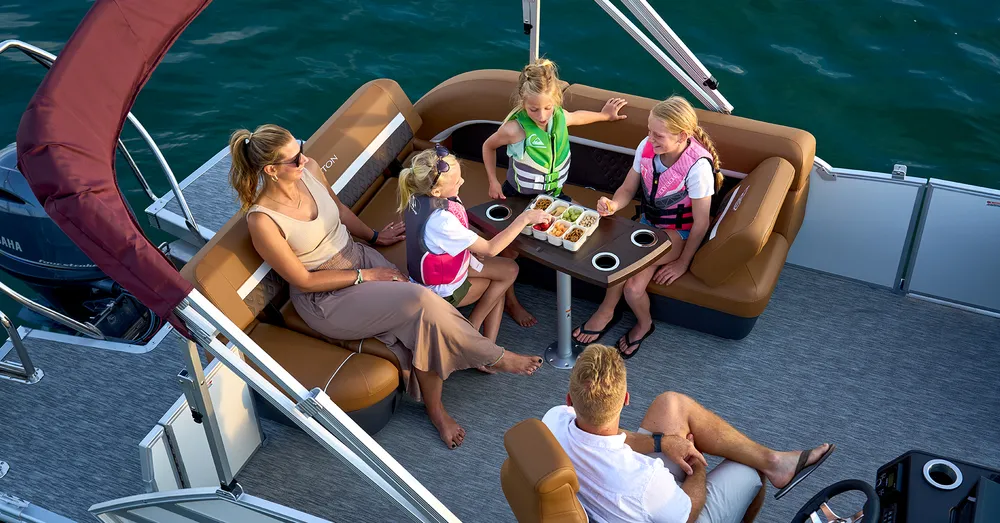
Pushing the throttle of your boat forward and watching the coastline break away is the ultimate reward for any South Texas mariner. Whether you are running out of our showroom hubs in Conroe to cruise the wide-open expanses of Lake Conroe or setting a relaxed course along the Gulf Coast near Houston, managing a premium watercraft during peak summer conditions requires shifting your focus toward crew comfort and smart boat preservation. In Southeast Texas, summer heat index values regularly climb past 100°F. Intense sun and heat put an extra strain on everything from your passengers' health to your boat's internal batteries and vinyl upholstery. Treating a hot summer excursion without a clear shade and material protection plan can quickly exhaust your crew and damage your investment.
Executing a few targeted shade strategies, electrical checks, and quick cleanup habits will keep your platform safe, comfortable, and running beautifully all season long.
1. Tactical Solar Defense and Crew Hydration
The marine environment acts like a giant mirror, multiplying solar exposure by reflecting UV rays directly off the water's surface into your cockpit.
- Create Shade Early: Don't wait until your guests are completely overheated or sunburned to open your canopy. Deploy your factory bimini top or extension sunshades the moment you throttle down to establish a cool, shaded sanctuary across the primary lounge decks.
- Smart Hydration Setup: Store plenty of fresh drinking water in high-retention, rotomolded coolers equipped with airtight gaskets. Keep water bottles highly visible and separate from sugary drinks, and ensure younger passengers take scheduled hydration breaks out of direct sunlight.
- Manage Wet Gear: Implement a quick-dry towel rule to isolate wet gear away from your premium seating. Allowing soaked life jackets or swimsuits to sit unmanaged on hot upholstery creates a high-humidity microclimate that traps heat and accelerates material wear.
2. High-Temperature Marine Material Preservation
Modern luxury dayboats, tournament towboats, and sport cruisers feature premium vinyl upholstery and gelcoat finishes that are highly vulnerable to chemical damage and UV cracking under extreme summer heat.
- Neutralize Sunscreen Residue: Chemical sunscreens contain oils and UV filters that interact with hot vinyl, extracting vital softeners from the fabric and causing seams to yellow, harden, and crack. Keep a dedicated kit of rapid spray detailers and plush microfiber towels handy to wipe away sunscreen stains immediately.
- Condition Your Vinyl: Treat your high-traffic upholstery routinely with specialized marine vinyl protectants containing advanced UV inhibitors. Avoid standard automotive dressings, which introduce a slick silicone layer that can literally bake into the fabric and cause long-term discoloration.
- Ventilate Your Lockers: Never pile wet life jackets or damp watersports ropes inside sealed fiberglass compartments after a long run. Storing damp equipment in dark, unventilated spaces under high heat creates a stagnant environment that fosters rapid mold growth and can degrade internal marine wiring.
3. Smart Low-Voltage Tracking and Hull Cleanup
Running high-capacity multi-zone marine audio amplifiers, sub-floor lighting loops, and automated ballast pumps while anchoring for hours at your favorite swim spot places a deep cyclic drain on your house battery bank.
- Isolate Your Starting Battery: High ambient heat increases the internal resistance of marine batteries, lowering their overall efficiency. Ensure your dual-battery selector switch isolates your starting bank completely while anchoring so your engine can crank instantly at the end of the afternoon. Check your helm displays underway to verify your alternator voltage is charging properly.
- Wash Away Mineral Deposits: Lake Conroe water contains fine suspended clay and minerals that can bake onto your gelcoat within hours under direct UV exposure. Rinse down the entire hull sides, lower unit, and swim platform with fresh water immediately after trailing to remove mineral deposits before they pit the clearcoat finish.
Frequently Asked Questions
Is it safe to seal my mooring cover tightly immediately following an afternoon trip? No. You should allow your vessel's interior to vent and dry completely in a shaded, well-ventilated space before securing your mooring cover. Sealing a damp boat immediately traps high-temperature ambient moisture inside the cockpit, creating an artificial sauna environment that accelerates mildew growth, damages electronics, and degrades fine upholstery stitching.
What represents the highest-yield upgrade for handling extreme summer heat waves? The most effective modification is expanding your structural shade profile with an easy-to-deploy canopy extension framework, paired with a rigid, modular storage zoning system to keep rotomolded hydration coolers easily accessible and free of clutter.
Sourcing Authorized Component and Platform Upgrades
Preserving the finishes and performance profile of a luxury fiberglass vessel requires professional technical support using components calibrated to exact manufacturer tolerances.
- Premium Detailing and Service Audits: To restore sun-faded gelcoat, resolve erratic battery charging issues, or execute a comprehensive pre-summer multi-point systems checkup, rely on our factory-trained specialists at the SMG Boats Service Center department. To submit a specialized maintenance request directly, access our online Service Form.
- Genuine OEM Preservation Cleaners: Access our comprehensive Parts Center marketplace to source factory-direct vinyl wipes, high-gloss spray detailers, sacrificial zinc anodes, specialized fuel-water separator filters, and heavy-duty cold-cranking batteries built to handle intense thermal stress.
- Propulsion System Modernization: For captains operating older engines that experience erratic low-RPM idling or vapor lock during intense heat cycles, outfitting your transom through our specialized Yamaha Outboards line installs advanced digital control networks for absolute reliability.
Fleet Allocation and Financial Coordination
What structural credit frameworks exist for outfitting a boat with advanced electronics or tracking? Our internal Financing office structures customized credit portfolios, allowing buyers to seamlessly bundle their hull choice, high-performance engines, technical components, and localized premium Marine Insurance asset protections into a single structured loan. You can calculate precise capital trajectories using our digital Payment Calculator.
Can I leverage my current boat's equity to fund a platform transition? Yes. We coordinate transparent, market-accurate asset evaluations to eliminate personal listing delays. To liquidate your old hull and apply its equity directly toward a modern upgrade, submit your vessel's technical specifications to our Sell Your Boat department. Explore our extensive showrooms of premium New Boats and thoroughly inspected Used Boats.
How do I track upcoming dealer events or connect with SMG Boats? To monitor safe-boating seminars, captain safety workshops, and regional consumer rendezvous across our South Texas hubs, check our active Events calendar. To review continuous technical maintenance guides, browse our Blog page, or see verified customer feedback on our Reviews page. To review long-term structural or mechanical asset protections, consult our Extended Service Contracts directory. For maps, showroom directions, and operational hours across all our regional dealer hubs, visit our primary Contact Us portal or locate our facilities directly via our Locations directory.