


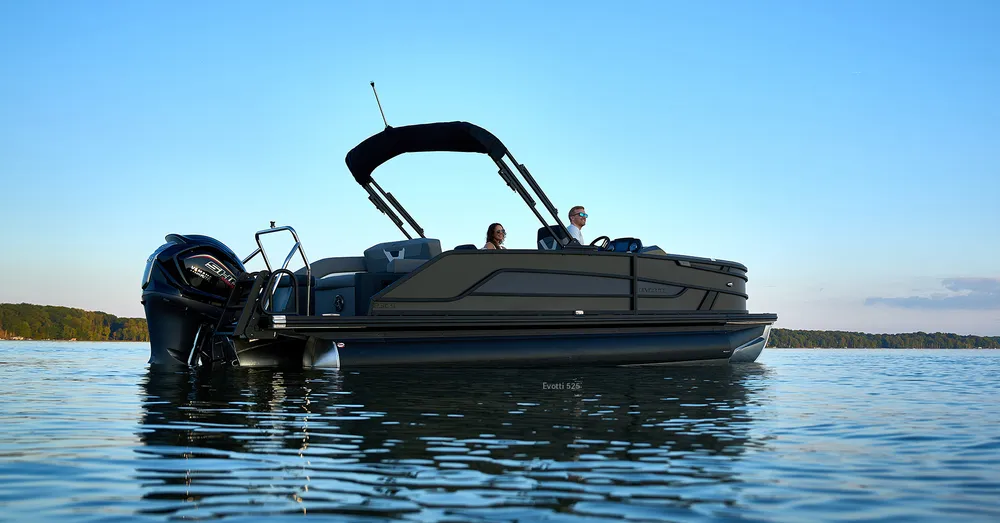
Executing a high-visibility run over Memorial Day weekend requires strict operational tracking and defensive piloting habits. As the official opening of the summer season, holiday traffic patterns on Lake Conroe alter standard boating dynamics completely. The sharp influx of watercraft transforms open water and sheltered coves into high-pressure maritime zones, where massive displacement rollers from high-capacity wake boats interact to create unpredictable, multi-directional chop.
When navigating a premium Malibu Wakesetter, Axis tournament platform, or luxury Regal fiberglass runabout through high-density conditions, a captain's primary defense against preventable close-quarters liabilities is a structured, predictive safety and staging routine.
1. Critical Pre-Holiday Systems Validation Matrix
Never commit your watercraft to a high-density holiday environment without running a full mechanical and electrical diagnostic audit at your landside staging perimeter first.
- Low-Voltage Battery Load Testing: High ambient temperatures combined with a heavy accessory draw—such as running multi-zone audio amplifiers, sub-floor lighting loops, and automated ballast pump manifolds while anchored—will rapidly drain your house cells. Verify cold cranking amps (CCA) across all battery banks, and torque terminal nuts with standard mechanical tools to prevent arc faults.
- Dual-Mode Bilge and Ventilation Checks: Flood your bilge sump manually with clean water to confirm the automated float switch engages instantly. Run your bilge blowers for a minimum of four continuous minutes before ignition, verifying strong mechanical airflow and ensuring the exhaust ducting is entirely clear of debris.
- Rotational Propeller Audits: Manually check your running gear, props, and tracking fins for micro-dings, hairline fractures, or core distortions. Under heavy holiday loads, even a minor propeller blade deformation induces continuous drivetrain vibrations that accelerate cutlass bearing wear and fatigue your crew over a long afternoon.
2. On-Water Risk Mitigation and Spacing Guidelines
When the water column fills with mixed operational experience levels, establishing wide safety perimeters is mandatory to maintain absolute vessel control.
- Tow-Sports Clearance Boundaries: Maintain an aggressive safety buffer from any watercraft displaying an active skier-down orange flag or towing an athlete. Never cut between a V-drive tournament boat and the rider tracking behind them; this avoids high-speed rope entanglement and ensures absolute stopping clearance if a surfer falls into the water column.
- The 50-Foot Headway Mandatory Law: Texas maritime regulations strictly dictate that all motorboats must drop to immediate headway speed—the absolute lowest velocity required to maintain safe steering control without generating a swell—when within 50 feet of another vessel, shoreline, dock, pier, public boat ramp, or swimmer.
- Rigorous Anchor Scope Calibration: High traffic densities multiply the number of rolling wake waves hitting your hull at anchor. When positioning inside crowded destinations, maintain a minimum scope ratio of 5:1 (five feet of anchor rode for every one foot of total vertical distance measured from the bow roller down to the substrate). Keep your lines tidy and monitor fixed shoreline landmarks for ten continuous minutes to confirm your ground tackle is not dragging into adjacent swing radiuses.
3. The Controlled Tactical Return Protocol
The recovery phase at the conclusion of a major holiday weekend is the single most common window for structural gelcoat damage, trailing alignment failures, and operator exhaustion.
- Bypass Peak Bottlenecks: Leaving the water column at the exact same moment as the rest of the fleet is entirely optional. Avoid the chaotic, high-pressure mid-afternoon rush by either hauling out early in the morning window or securing your hull in a sheltered, low-traffic deep basin to wait out the launch lane gridlock completely.
- Pre-Stage Recovery Gear: While still idling in open water, completely flake your double-braided nylon mooring lines on deck and hang your high-impact cylindrical fenders at the proper height along both beams. Having your docking hardware pre-staged before entering the terminal channel ensures you can approach the courtesy pier smoothly using short, brief gear pulses without last-second scrambling.
- Execute Landside Staging Controls: The concrete ramp lane is strictly an immediate transit corridor, never a cleanup area. The moment your trailer frame clears the waterline, pull your vehicle directly into the back of the landside parking lot to complete your gear unloading, hull wipe-downs, and tie-down strap adjustments.
Technical Frequently Asked Questions
Is Memorial Day weekend a suitable environment to train a first-time boat operator?
While a holiday opener provides exposure to real-world navigation variables, it introduces extreme close-quarters complexity. If you choose to train a novice helmsman, restrict their operational windows to quiet, early morning blocks, keep the exercises short, and retake control of the binnacle before peak mid-day traffic and heavy cross-cutting wakes develop.
What represents the single greatest preventable risk during a major holiday weekend run?
The primary liability stems from operator overconfidence and a lack of situational awareness in crowded water. Assuming that surrounding operators understand right-of-way hierarchies or will maintain a predictable track is a critical error. A captain must maintain a constant $360^\circ$ visual scan, actively project surrounding drift patterns, and always prioritize defensive pilotage.
Sourcing Authorized Component and Platform Support
Safeguarding a premium fiberglass vessel through intense holiday workloads requires matching your preventative upkeep with technical specialists and hardware calibrated to exact factory tolerances.
- Certified Multi-Point Performance Upkeep: From executing mandatory preventative fluid flushes to diagnosing complex digital switching helms or calibrating automated ballast networks, trust our factory-trained specialists at the SMG Boats Service Center bay to protect your investment. To submit a specialized maintenance request directly, access our online Service Form.
- Genuine OEM Component Sourcing: For do-it-yourself mariners performing independent field repairs or seasonal system upgrades, our comprehensive Parts Center marketplace supplies factory-direct filtration elements, raw-water pump impeller kits, premium anti-corrosive lubricants, custom-molded replacement fenders, and high-tensile dock rigging.
- Propulsion System Modernization: For captains operating older engines that experience erratic low-RPM stumbling or binnacle shift lag near the courtesy slips, outfitting your transom through our authorized Yamaha Outboards center installs advanced digital networks for absolute close-quarters control.
Fleet Allocation and Financial Coordination
What structural credit frameworks exist for financing a premium watercraft purchase?
Our internal Financing office structures customized credit portfolios, allowing buyers to seamlessly bundle their hull choice, reliable outboards, technical electronics, and comprehensive Marine Insurance packages into a single structured loan. You can calculate precise capital trajectories using our digital Payment Calculator.
Can I leverage my current dayboat or tournament hull as trade equity to fund an upgrade?
Yes. We coordinate transparent, market-accurate asset evaluations to eliminate personal listing delays. To liquidate your old hull and apply its value directly toward a modern upgrade, submit your technical specifications to our Sell Your Boat department. Explore our extensive showrooms of premium New Boats and thoroughly inspected Used Boats.
How do I track upcoming dealer events or connect with SMG Boats?
To monitor safe-boating seminars, captain safety workshops, and regional consumer rendezvous across our South Texas hubs, check our active Events calendar. To review long-term structural or mechanical asset protections, consult our Extended Service Contracts directory. For maps, showroom directions, and operational hours across all our regional dealer hubs, visit our primary Contact Us portal or locate our facilities directly via our Locations directory.