


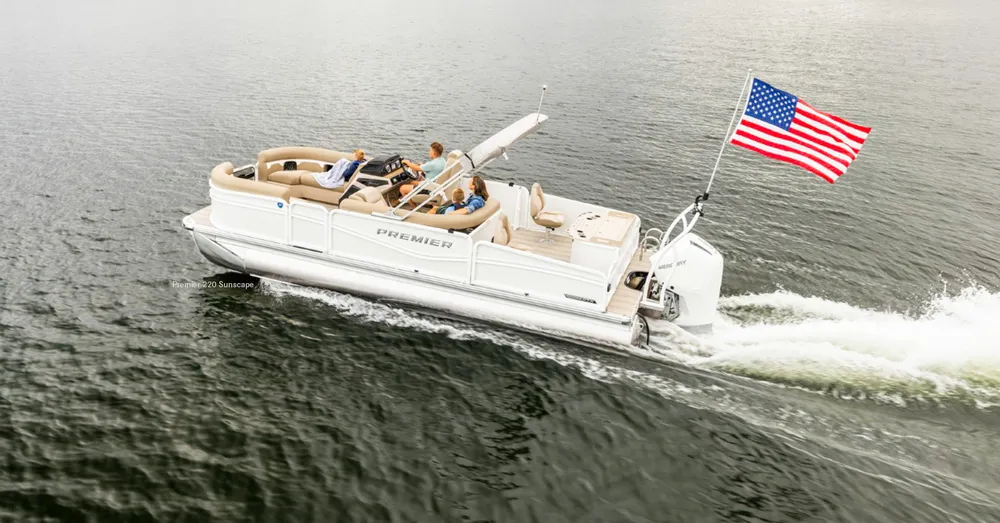
The transition into peak seasonal operation inevitably subjects a vessel’s mechanical and electrical systems to intense environmental stress. Across Southeast Texas waterways—whether navigating the high-density weekend loops of Lake Conroe or tracking open water near South Conroe—the first major temperature spike of the year acts as a catalyst that exposes underlying equipment vulnerabilities. Components that seemed operational under zero load during a cold driveway check can fail rapidly when subjected to prolonged thermal exposure, stagnant moisture, and full cyclic demands.
When an anomaly develops on the water, understanding the underlying mechanical failure modes allows a captain to diagnose the liability early and prevent a standard troubleshooting event from escalating into an expensive on-water emergency.
Failure Mode 1: Electrical Continuity Degradation and Slow Starting
A sluggish crank or a total refusal to turn over immediately after launching reveals a breakdown in your primary low-voltage delivery network.
- The Root Technical Cause: Offseason storage promotes slow chemical self-discharge inside marine lead-acid or AGM battery banks, while ambient humidity forms high-resistance micro-corrosion fields across exposed terminal lugs. This resistance allows minimal voltage to power low-draw helm accessories but entirely chokes the high amperage required by an engine starter.
- Immediate Helm Diagnostics: Open your primary access panels to verify that all terminal connections are torqued tight with standard mechanical tools rather than simple finger-tight wing nuts. Clean green copper oxidation or white powder crusts entirely with a wire terminal brush, and confirm your battery selector switch is fully engaged into the proper bank detent rather than sitting loose between positions.
Failure Mode 2: Open-Loop Cooling Anomalies and Overheat Alarms
A thermal spike display or an acoustic overheat alarm indicates a restriction within your raw-water cooling circuit, which can wrap or warp cylinder heads within minutes if ignored.
- The Root Technical Cause: Standard flexible rubber water pump impellers dry out, harden, and set into a rigid shape over long storage periods. Upon initial high-RPM acceleration, these brittle rubber blades split or delaminate from their brass hubs, immediately restricting cooling flow. Additionally, concrete launch ramps consistently pool floating woody debris, silt, and clay that can be sucked directly into the lower unit intake grates.
- Immediate Helm Diagnostics: Shut down the ignition instantly. Do not attempt to "run the engine harder" to clear a thermal block. Manually inspect the raw-water intake grates on the lower unit or hull bottom for physical obstructions, and check your internal sea strainers for weed accumulation before restarting.
Failure Mode 3: Fuel Stratification and Idle Surging
An engine that starts cleanly but exhibits a rough, surging idle or severe bogging upon hole-shot acceleration is suffering from chemical fuel degradation.
- The Root Technical Cause: Modern ethanol-blended fuels are highly hygroscopic, absorbing atmospheric moisture directly into the fuel tank over time. Once moisture absorption hits critical mass, chemical phase separation occurs—forcing a dense, corrosive water-and-ethanol layer to drop directly to the bottom of the fuel tank where the engine pick-up tube is located.
- Immediate Helm Diagnostics: Operating a marine engine on a phase-separated lean fuel mixture causes severe cylinder detonation and internal piston scarring. Check your fuel-water separator filters for high fluid levels, and replace restricted elements to establish a clean fuel baseline.
Failure Mode 4: Hydraulic Resistance and Stiff Steering
Experiencing physical resistance when attempting to articulate the helm from lock-to-lock compromises your ability to track a straight line or execute safe close-quarters docking.
- The Root Technical Cause: Extended periods of inactivity cause marine steering lubricants to oxidize and harden inside support tubes, while small fluid leaks along hydraulic steering ram seals introduce air pocket locks into the closed circuit.
- Immediate Helm Diagnostics: Inspect the mechanical steering actuator shafts near your transom or outboard pivot point for dried grease crusts or weeping hydraulic oil. If the steering feedback feels notched or sticky, pull back to a controlled idle; continuing to force a binding helm can cause complete loss of directional control.
Technical Frequently Asked Questions
Why is repeatedly cycling the starter ineffective when a marine engine fails to fire?
Attempting to force an uncooperative engine through continuous ignition cycles introduces severe mechanical risks. It overheats the starter motor windings, drains remaining battery capacities, and can draw raw lake water back through the exhaust manifold into the combustion chambers, causing severe engine lockup.
What parameters dictate that an owner must abandon troubleshooting and seek professional support?
You must immediately terminate on-water troubleshooting and book professional intervention if an engine overheat alarm repeats after cleaning the external intakes, if steering linkages bind or slip, or if visual checking reveals milky drivetrain fluids, which indicate immediate water intrusion through critical seals.
Sourcing Authorized Technical Diagnostics and Support
Resolving early-season system liabilities requires utilizing diagnostic equipment and replacement components calibrated to exact factory tolerances.
- Certified Marine Service and Calibration: Whether you need to execute a precision water pump impeller replacement, trace a complex electrical short, or flush water-contaminated fuel cells, rely on our factory-trained technicians at the SMG Boats Service Center department to restore total reliability. To submit a specialized maintenance request directly, access our online Service Form.
- Genuine OEM Component Sourcing: For mariners performing routine maintenance or field repairs, our dedicated Parts Center marketplace stocks heavy-duty cold-cranking batteries, factory-direct filtration elements, replacement zinc anodes, and premium fluids engineered for your specific platform.
- Propulsion System Modernization: For captains operating older engines that exhibit erratic low-RPM stumbling or chronic control issues, outfitting your transom through our authorized Yamaha Outboards center installs advanced digital throttle networks for absolute handling precision near the trailer bunks.
Fleet Allocation and Financial Coordination
What structural credit frameworks exist for financing major boat overhauls and repower projects?
Our internal Financing office structures customized credit portfolios, allowing buyers to seamlessly bundle major mechanical overhauls, high-performance outboards, digital telemetry packages, and comprehensive Marine Insurance into a single structured framework. You can calculate precise capital trajectories using our digital Payment Calculator.
Can I leverage my current boat's equity to fund an upgrade before next season?
Yes. We coordinate transparent, market-accurate asset evaluations through our internal Sell Your Boat division, making it highly efficient to liquidate your old hull and apply that value directly toward our premium inventory of Malibu Wakesetters, Axis tournament boats, and Regal luxury bowriders. Explore our current selection of New Boats or thoroughly inspected Used Boats.
How do I track upcoming dealer events or connect with SMG Boats?
To monitor safe-boating seminars, captain safety workshops, and regional consumer rendezvous across our South Texas hubs, check our active Events calendar. To review your long-term mechanical coverages, check our Extended Service Contracts checklist. For maps and showroom hours across all our regional dealer hubs, visit our primary Contact Us portal or locate our facilities directly via our Locations directory.